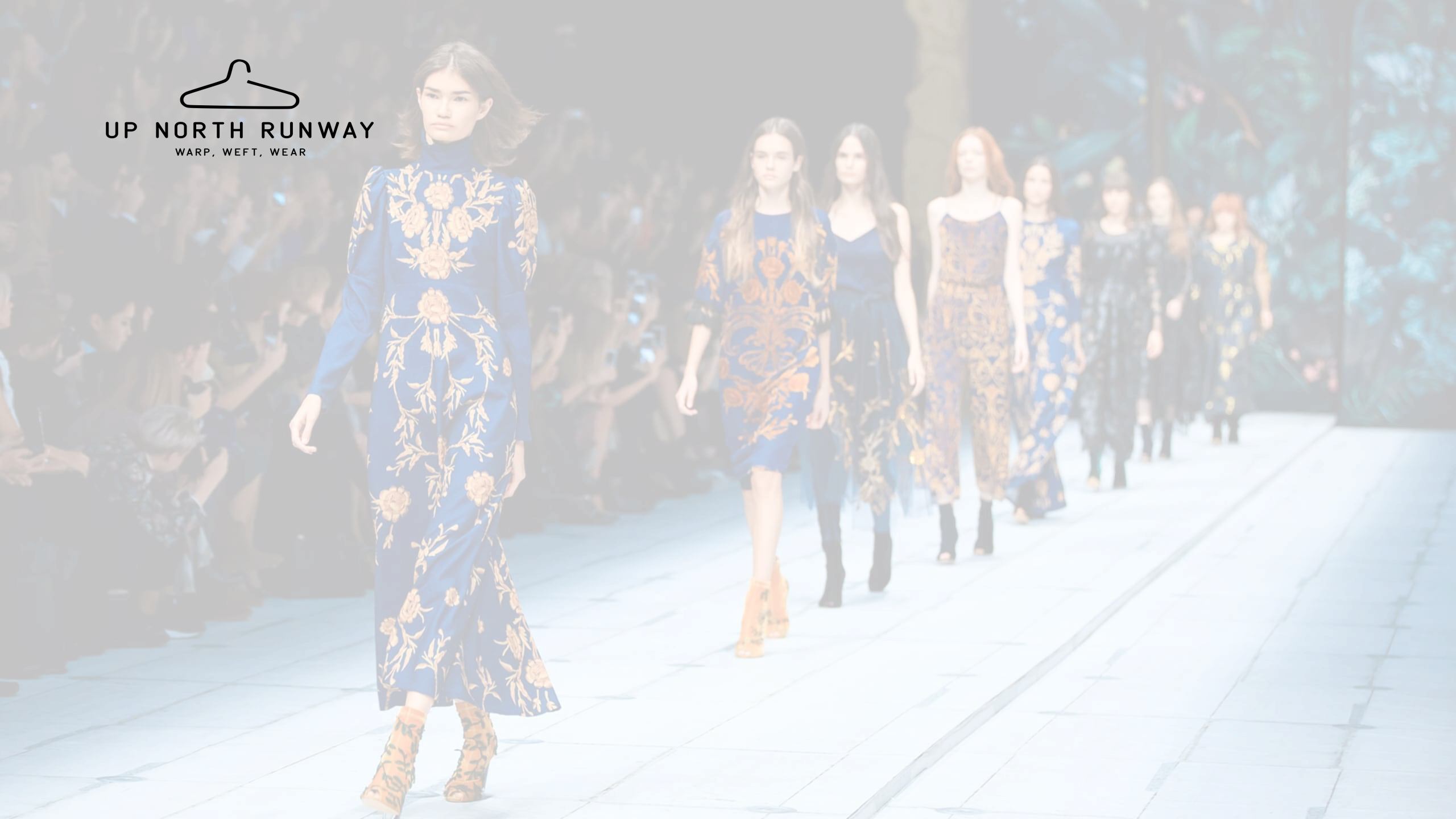

Street Fashion: How Young Designers Are Shaping the Style of the Streets

Street fashion has always been more than just clothing—it's an attitude, a form of expression, and often a mirror of social, political and cultural shifts. Rooted in youth culture, street fashion thrives on individuality, rebellion and authenticity. Unlike high fashion, which traditionally flows from runways down to consumers, streetwear often bubbles up from the grassroots—starting on city pavements, urban playgrounds, underground scenes and social media platforms.
In today’s dynamic fashion landscape, young designers are in a powerful position to influence street fashion. They are not only plugged into cultural currents but are also more agile, daring and digitally savvy than ever before. Here's how emerging designers can harness and lead this ever-evolving trend.
1. Tap into Subcultures and Community Identity
Street fashion is born from the identity of subcultures—whether it’s skaters, grime artists, hip-hop heads, punks, or K-pop fans. Young designers who understand the nuances of these communities can create collections that feel authentic, rather than appropriated. This requires genuine engagement with the culture, not just borrowing aesthetics.
Example: A young Yorkshire-based designer could draw inspiration from the UK grime scene, incorporating oversized tracksuits, technical fabrics, and reflective detailing into their designs. Collaborating with local artists or DJs to co-create or model the pieces helps keep the collection grounded in the community that inspired it. UNR can plug young designers in to a network of influence to not only gain insight but sell via it too.
2. Create Limited Drops and Hype-Driven Releases
Streetwear thrives on exclusivity. Limited-edition "drops" and hype-driven releases create a buzz that fuels demand and builds brand mystique. Young designers can use scarcity strategically—not as a gimmick, but as a way to keep production manageable while generating excitement.
Example: A designer might release a capsule collection of graphic tees and hoodies, available for only 48 hours online. Promoted through Instagram Reels or TikTok, the sense of urgency can help create a loyal, engaged following.
3. Champion Bold Graphics and Statement Pieces
Street fashion is often bold, unapologetic and visually striking. Logos, graphics, slogans and unconventional silhouettes all play a role. Young designers can use fashion as a canvas for social commentary or personal storytelling.
Example: A fashion graduate could create a line of oversized denim jackets emblazoned with politically charged embroidery or graffiti-style prints, referencing everything from climate activism to mental health awareness. The pieces become wearable protest statements that resonate with like-minded consumers.
4. Use Social Media to Build a Movement
Social media is the lifeblood of modern street fashion. Platforms like Instagram, TikTok and Pinterest are where trends form, spread and evolve at lightning speed. For young designers, this means your brand identity is just as important online as it is on the hanger.
Visual consistency, storytelling and direct engagement with followers can transform a small clothing label into a full-blown movement. UNR can help build a following by using software to reach a market.
Example: A designer might run a behind-the-scenes TikTok series showing the process of designing, screen-printing, and packing orders from their bedroom studio. This transparency builds authenticity—key to streetwear culture—and makes customers feel like part of something bigger.
5. Collaborate Across Creative Fields
Street fashion has always been interwoven with music, art, and sports. Young designers who think beyond clothing and connect with creatives in other disciplines can make a deeper cultural impact.
Example: A young designer could team up with a graffiti artist to create a limited run of bomber jackets featuring hand-painted artwork. Or collaborate with a local skater crew to design a line of utilitarian wear that’s functional and fashionable, then shoot the campaign on the streets or in skate parks to keep it raw and real.
6. Stay DIY, But Don’t Be Afraid to Upscale
The DIY aesthetic is a cornerstone of street fashion—it’s about creativity, resourcefulness and a punk-like defiance of norms. But as the brand grows, scaling doesn’t mean selling out. The key is staying true to the original spirit.
Example: A small label that started hand-sewing patches onto thrifted jackets might expand into professionally made streetwear pieces, but maintain the look and attitude of their DIY roots by continuing to involve fans in design decisions or hosting interactive pop-ups.
To Sum Up...
Street fashion is a constantly shifting, living organism. It’s raw, expressive and built from the ground up—exactly the kind of space where young designers thrive. Whether drawing from music scenes, remixing vintage influences, or rallying communities around shared causes, today’s emerging creatives are not just following the trend—they are the trend.
By blending creativity with cultural awareness and digital savvy, the next generation of designers can not only shape the future of street fashion, but also define what it means to be stylish, conscious and connected in the modern age.